
Cities represent the future of global living. More than half of the world’s population lives in urban areas, a figure expected to rise to 70% by 2050. However, many cities are unprepared for this rapid urbanization. It frequently outpaces the development of housing, infrastructure, and services, leading to a rise in slums and informal settlements.
Achieving sustainable development requires transforming how we build and manage urban spaces. We must focus on inclusive, resilient, and sustainable policies that prioritize access to basic services, affordable housing, efficient transportation, and green spaces for everyone.
Why are cities not future proof yet?
Most urban growth is taking place in small cities and intermediate towns, which often exacerbates inequalities and poverty. Globally, up to 3 billion people struggle to afford a place to live, and 1.16 billion live in slums or informal settlements without basic services. Creating safe, resilient, and sustainable cities requires coordinated investments in affordable housing, climate-resilient infrastructure, and inclusive governance.
What are some of the most pressing challenges cities are facing?
By 2040, more than 2 billion urban residents could face an additional temperature rise of at least 0.5°C, and over a third of the global urban population may endure annual average temperatures of 29°C or higher. Flood risks are also escalating. In 2025, 1 billion people lived in areas prone to severe riverine flooding, with half of them residing in cities.
Inequality, high energy consumption, and pollution present massive hurdles. Cities occupy just 3% of the Earth’s land but account for 60% to 80% of global energy consumption and 75% of carbon emissions. Furthermore, the high concentration of people makes cities highly vulnerable to climate change and natural disasters, making urban resilience vital to avoid devastating human and economic losses.
How does it affect me?
These issues eventually impact every citizen. Inequality can lead to social unrest, while pollution damages everyone’s health, reducing workers’ productivity and harming the economy. Additionally, natural disasters have the power to disrupt everyone’s daily lives. Air pollution is not just a city issue—it actively degrades health in towns and rural areas alike.
What happens if cities are just left to grow organically?
The cost of poorly planned urbanization is clear in the massive slums, tangled traffic, rising greenhouse gas emissions, and sprawling suburbs we see worldwide. By choosing to build sustainably, we choose to create cities where all citizens enjoy a high quality of life, contribute to the local economy, and build shared prosperity without harming the environment.
Is it expensive to put sustainable practices in place?
The cost is minimal compared to the immense benefits. For example, while building a functional public transport network requires an initial investment, the long-term payoffs are massive for economic activity, air quality, transit times, and the overall success of a connected city.
What can I do to help?
You can make a difference by taking an active interest in your city’s governance and advocating for the changes you want to see.
Develop a vision for your building, street, and neighborhood, and work to bring it to life. Consider your community’s access to local jobs, safe sidewalks for children, well-lit areas at night, nearby public transit, clean air, and vibrant shared public spaces. Creating better conditions in your immediate community has a direct, powerful effect on the global quality of urban life.
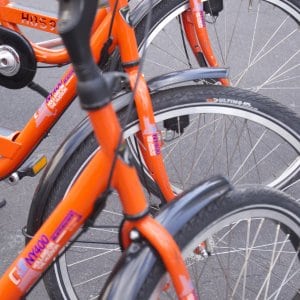
- In 2025, 61.5 per cent of the world’s urban population had convenient access to public transportation, up from 53.2 per cent in 2020. Urban sprawl, air pollution and limited open public spaces persist in cities.
- Even where public transport exists, buses make up 78 per cent of public transit options as opposed to high-capacity systems that represent only 22 per cent.
- Since October 2024, 131 countries reported having national and local disaster risk reduction strategies, up from 57 in 2015.
- Over 85 per cent of slum dwellers are concentrated in three regions: Central and Southern Asia (334 million), Eastern and South-Eastern Asia (362 million) and sub-Saharan Africa (265 million).
- In the past five years, the number of countries tracking how much they spend on protecting cultural and natural heritage has tripled – jumping to 82 countries.
11.1 By 2030, ensure access for all to adequate, safe and affordable housing and basic services and upgrade slums
11.2 By 2030, provide access to safe, affordable, accessible and sustainable transport systems for all, improving road safety, notably by expanding public transport, with special attention to the needs of those in vulnerable situations, women, children, persons with disabilities and older persons
11.3 By 2030, enhance inclusive and sustainable urbanization and capacity for participatory, integrated and sustainable human settlement planning and management in all countries
11.4 Strengthen efforts to protect and safeguard the world’s cultural and natural heritage
11.5 By 2030, significantly reduce the number of deaths and the number of people affected and substantially decrease the direct economic losses relative to global gross domestic product caused by disasters, including water-related disasters, with a focus on protecting the poor and people in vulnerable situations
11.6 By 2030, reduce the adverse per capita environmental impact of cities, including by paying special attention to air quality and municipal and other waste management
11.7 By 2030, provide universal access to safe, inclusive and accessible, green and public spaces, in particular for women and children, older persons and persons with disabilities
11.A Support positive economic, social and environmental links between urban, peri-urban and rural areas by strengthening national and regional development planning
11.B By 2020, substantially increase the number of cities and human settlements adopting and implementing integrated policies and plans towards inclusion, resource efficiency, mitigation and adaptation to climate change, resilience to disasters, and develop and implement, in line with the Sendai Framework for Disaster Risk Reduction 2015-2030, holistic disaster risk management at all levels
11.C Support least developed countries, including through financial and technical assistance, in building sustainable and resilient buildings utilizing local materials

The United Nations Conference on Housing and Sustainable Urban Development, took place in Quito, Ecuador from 17-20 October 2016, and was the first UN global summit on urbanization since the adoption of the 2030 Agenda for Sustainable Development.
Habitat III offered a unique opportunity to discuss the important challenges of how cities, towns, and village can be planned and managed, in order to fulfill their role as drivers of sustainable development, and how they can shape the implementation of the Sustainable Development Goals and the Paris Agreement on climate change.
In Quito, world leaders adopted the New Urban Agenda which set global standards of achievement in sustainable urban development, rethinking the way we build, manage, and live in cities through drawing together cooperation with committed partners, relevant stakeholders, and urban actors at all levels of government as well as the civil society and private sector.
Related news
Promoting Sustainable Business
As the World Economic Forum opens in Davos, Switzerland, United Nations Global Compact encourages economic leaders to integrate sustainable development in their business models.
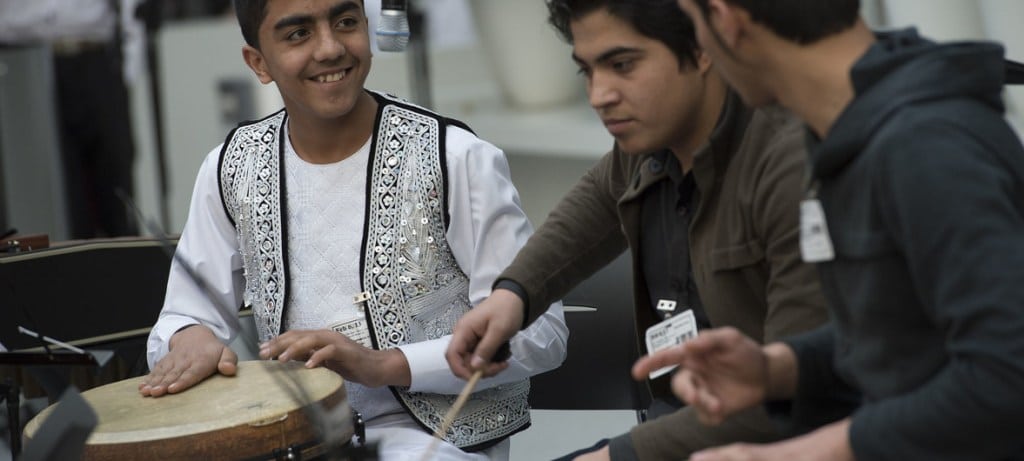
Safe spaces offer security and dignity for youth, and help make the world ‘better for all’: Guterres
The world’s young people need safe spaces – both physical and digital - where they can “freely express their views” and “pursue their dreams” was the core message of United Nations Secretary-General António Guterres to mark [...]
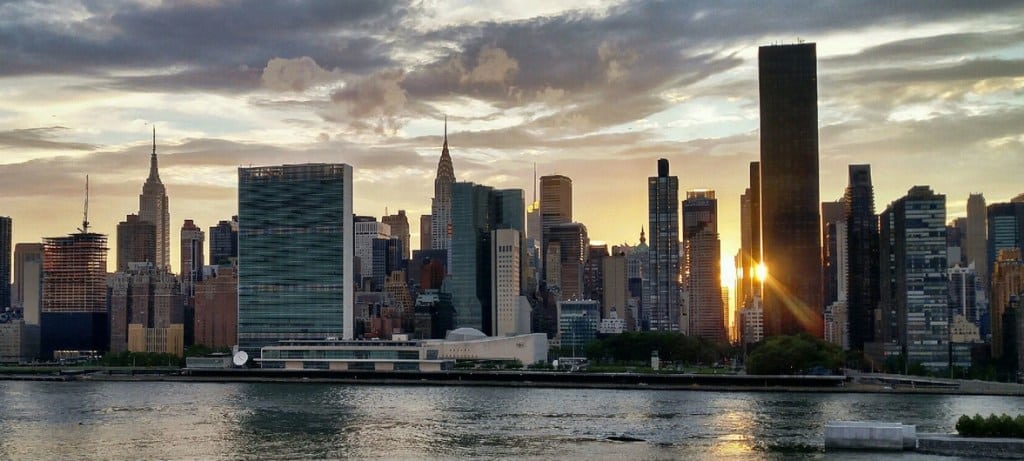
UN forum spotlights cities, where struggle for sustainability ‘will be won or lost’
Although cities are often characterized by stark socioeconomic inequalities and poor environmental conditions, they also offer growth and development potential – making them central to the 2030 Agenda for Sustainable Development and a main focus [...]